Hybrid Teams
Positioning a startup with audience research
Role: Owned digital presence & audience research (website, LinkedIn, Google Analytics)
Context: Hybrid Teams — an early-stage, multinational offshore software company
Timeframe: Sep 2021 - Jul 2024
OVERVIEW
Hybrid Teams is an early-stage offshore software company built by a multinational team. I joined when it was still finding its feet, so I owned the company’s entire digital presence, website, LinkedIn and Google Analytics, and sat in on marketing meetings.
That breadth put me in a useful position: I could see exactly who we were trying to reach, what we were telling them, and whether it was landing. This case is about how I used that visibility to replace guesswork with evidence, and reposition the company around what its audience actually responded to.
The problem
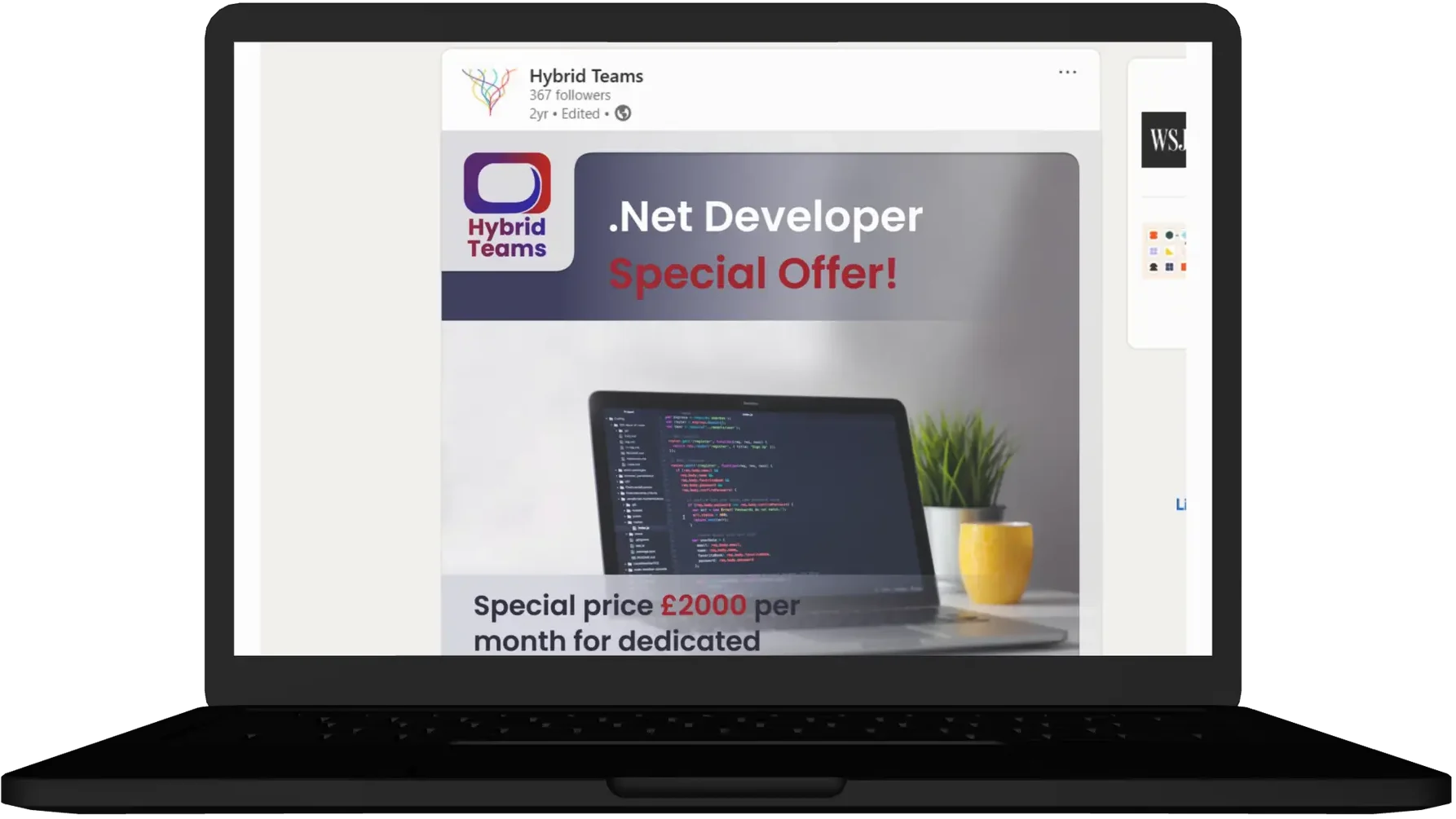
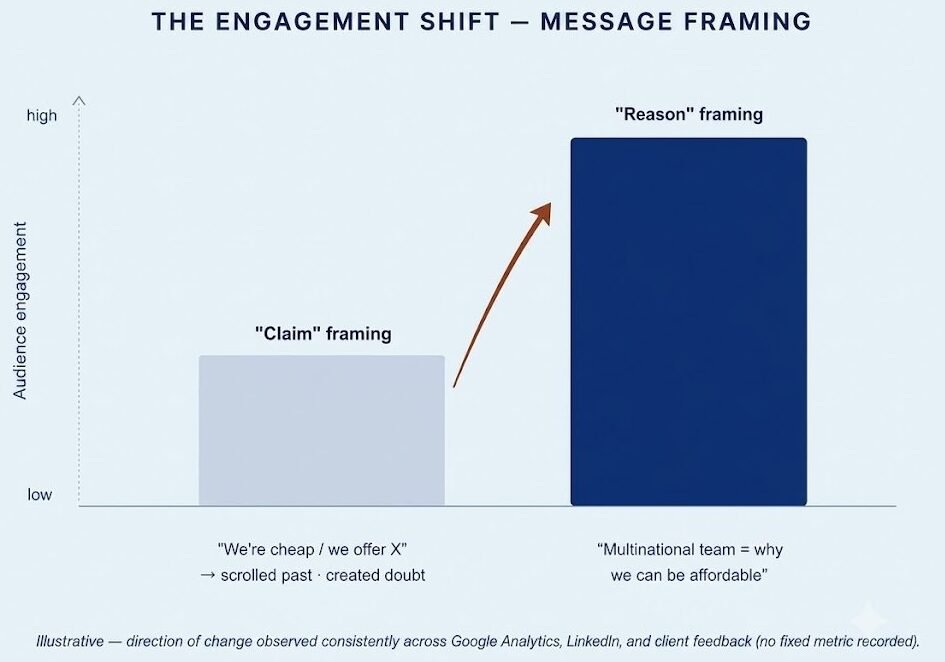
Our real differentiators were flexibility and genuinely economical pricing, being a multinational team let us keep costs low. But the way we talked about ourselves wasn’t working: Generic “we offer X” messaging got scrolled past like any other ad. Simply claiming “our prices are low” seemed to create doubt rather than interest, as if something must be wrong with the offer. The message wasn’t just weak; in the case of price, it was quietly working against us.
The research
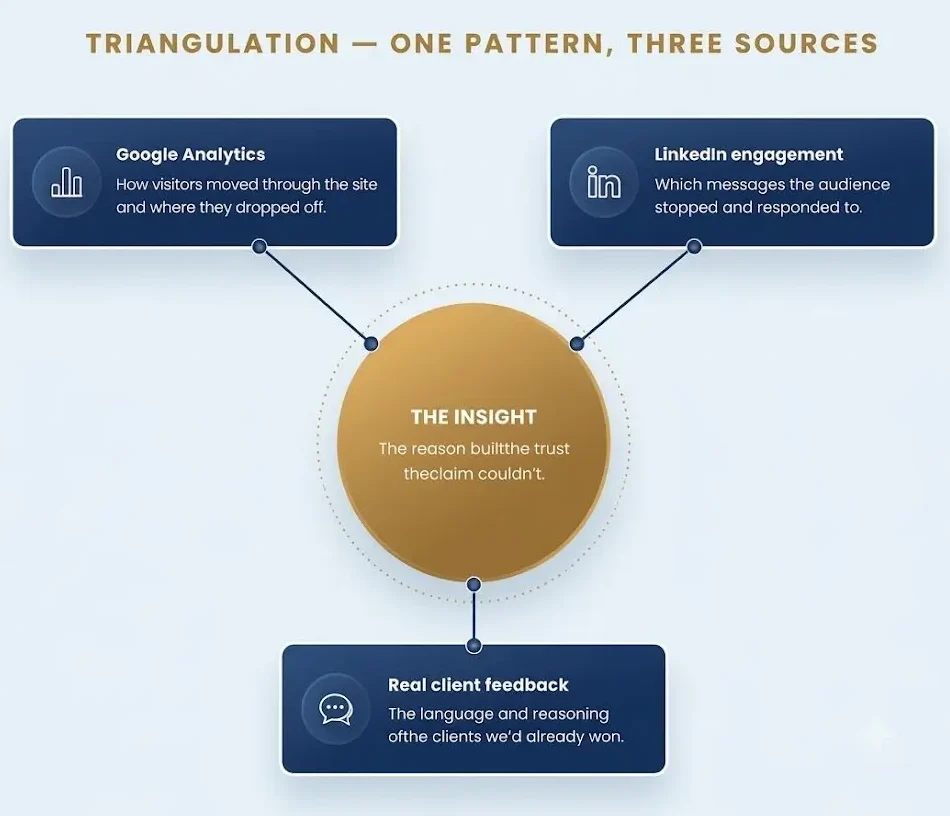
I treated this like any product problem: start from the audience, then design the message. To understand what was actually happening, I looked at three independent sources rather than trusting any single one:
- Google Analytics — how visitors moved through the site and where they dropped off.
- LinkedIn engagement — which messages our audience actually stopped and responded to.
- Real client feedback — the language and reasoning of the clients we’d already won.
The insight, and why I trusted it. The same pattern surfaced in all three places: people engaged the moment we stopped stating what we did or how cheap we were, and instead explained why, that being a multinational team was what made the low price and flexibility possible. The reason built the trust the claim couldn’t. Because the pattern repeated across three independent sources, I was confident this was a real audience behaviour, not a coincidence in one channel.
What I changed
I reworked the messaging across the website and LinkedIn around that insight:
- Led with the “why” behind our pricing and flexibility, instead of just claiming them.
- Spoke directly to our real target audience — early-stage teams with small budgets but broad, scattered needs and high growth potential, showing them we solved exactly that.
In other words, I shifted the whole message from “what we do / how cheap we are” to “why
we can be affordable and flexible.”
Outcome
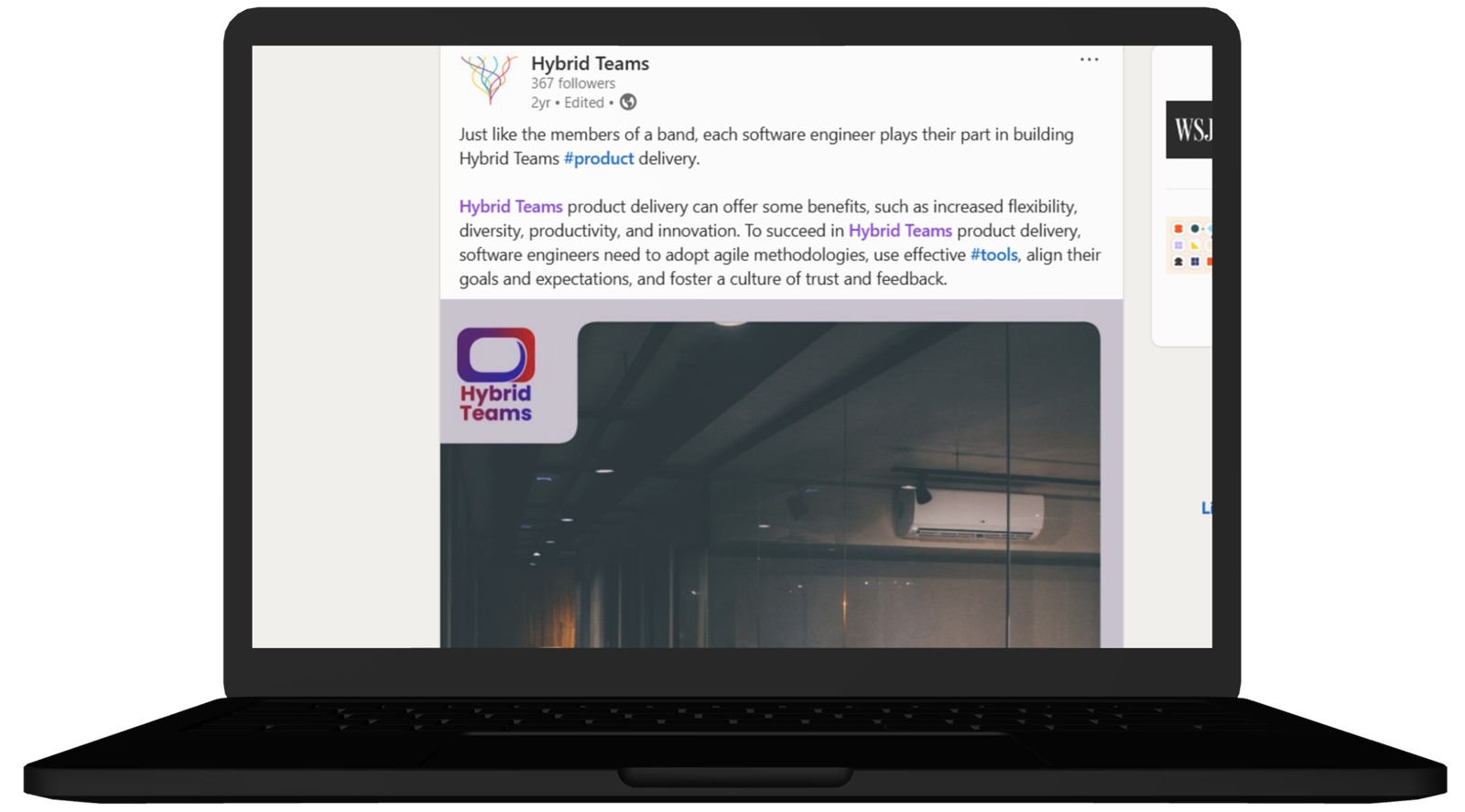
Engagement improved once the message shifted from claim to reason, and the pattern held consistently across all three sources, which is what gave me confidence the change was driven by a real audience need, not a hunch.
More broadly, this reframed how the company presented itself: from a generic service provider competing on price, to a team that could clearly explain why it was the right fit for early-stage clients.
My recent work
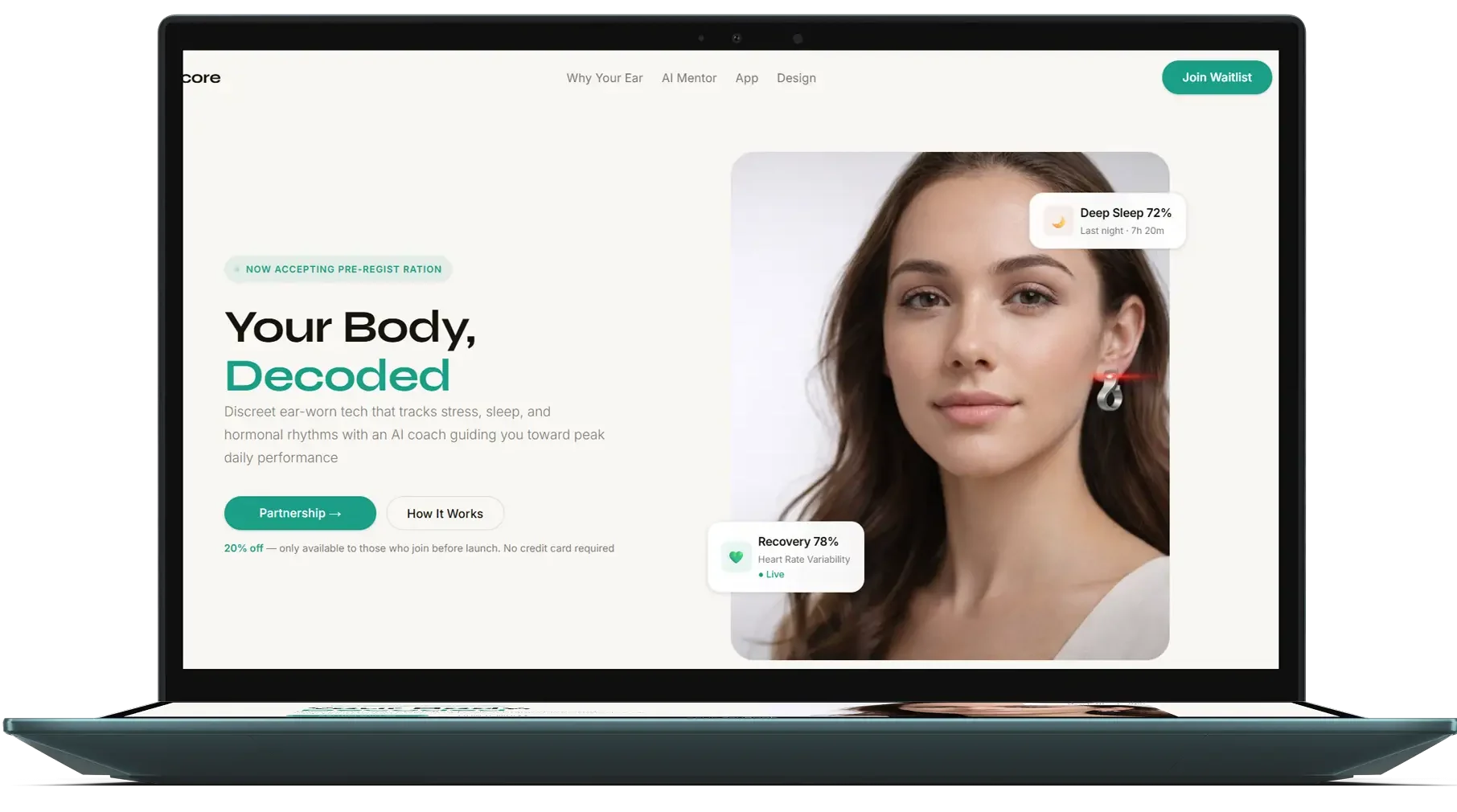
Auricore
Leading discovery research for an ear-worn health wearable.
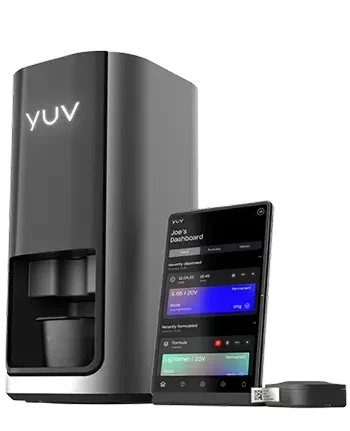
YUV
Designing the digital experience for a smart hair-colour system.
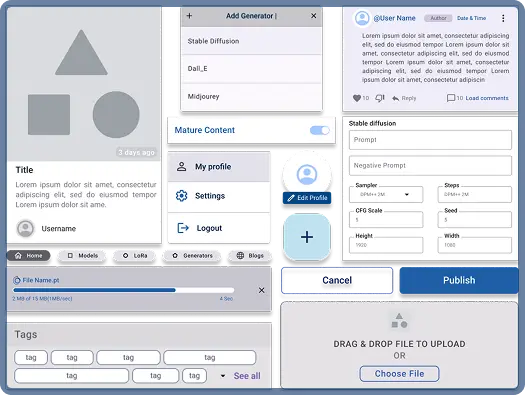
AI Art Platform
Building a scalable design system for an AI image-generation platform.