A little bit about myself
I’m Mahshid(Moona), a designer who researches.
I design digital products, and I let evidence lead the way. My background is in architecture, where I learned a distinction I still design by: the difference between place and space. A place is the physical thing; a space is the feeling and identity it holds. Designing a product is the same, beyond the tangible thing itself, you’re shaping the space around it. That space is the user experience. I also sit on a Health Research Authority ethics committee, reviewing NHS research.
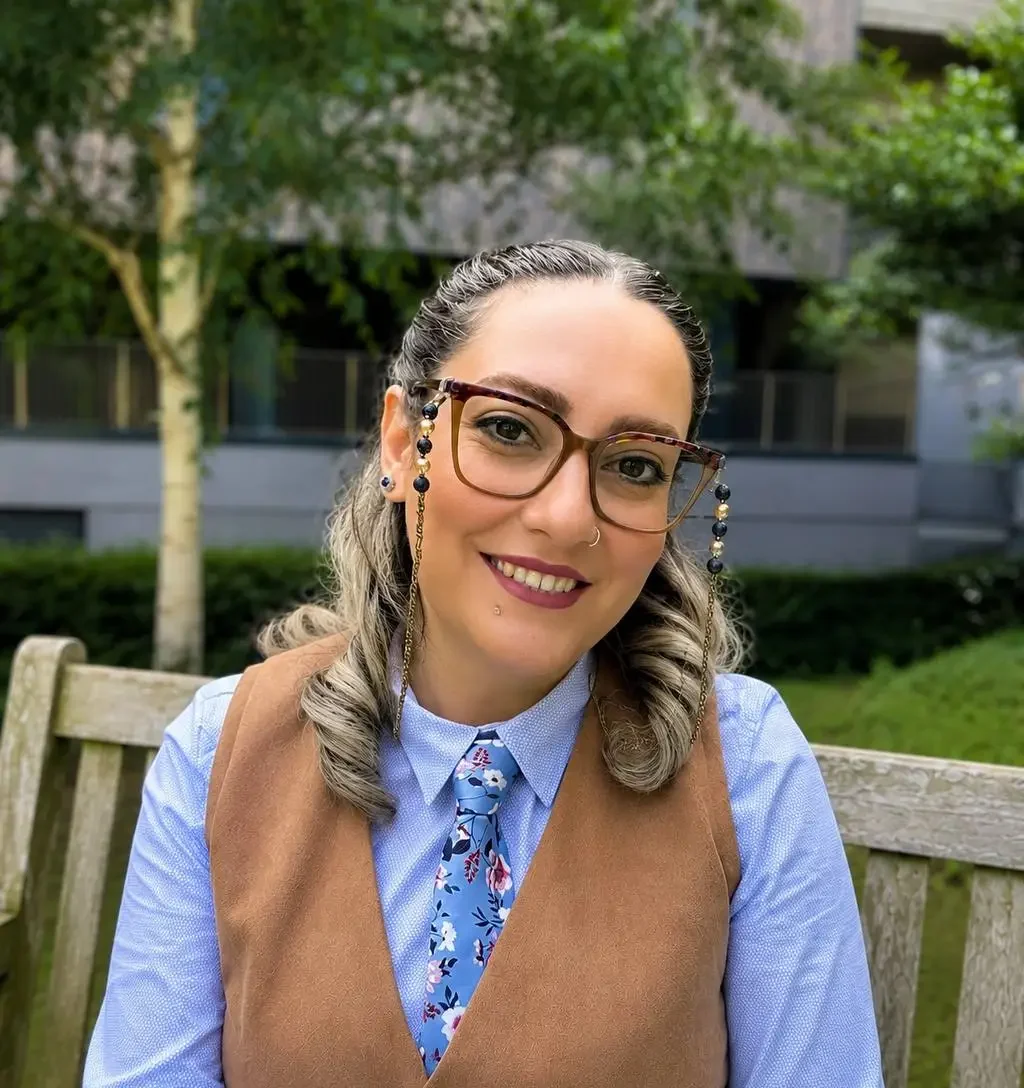
I care about building digital products that genuinely make people’s lives a little better, and I believe that starts with truly understanding the people you’re designing for. I came to design through architecture. I hold a Master’s in Architectural Engineering, where I spent my time thinking about how physical spaces shape the way people live. Somewhere along the way I realised the thing I loved most wasn’t the buildings themselves, it was the research and the human questions behind them: what people actually need, and how design can answer that. That’s what led me from designing spaces to designing digital experiences.
The thread that connects all of it is simple: making something new makes me feel alive, whether that’s a physical object or a new feeling. In architecture we distinguish place from space: a place is a physical location, but a space is the feeling and identity that location carries. A good architect doesn’t just build a place; they shape a space. Digital product
design works the same way, beyond the measurable product itself, we design the space around it, and that space is the user experience. That’s the work I care about most: shaping how something feels to the person using it.
From architecture to research
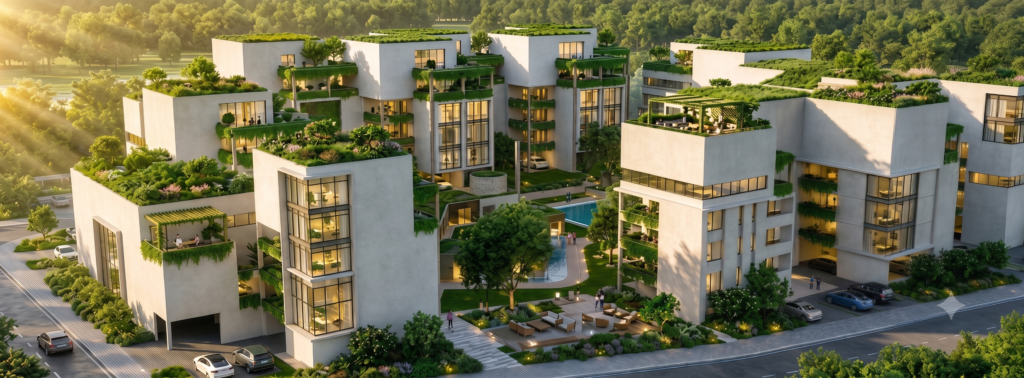
My Master’s thesis is the clearest bridge between where I started and where I am now. I designed a high-rise residential complex aimed at improving residents’ quality of life through the idea of “sky gardens”, but the design was only half of it.
To do it properly, I ran a mixed-methods study: I identified the core factors tied to quality of life (economy, health, education, and more), built a questionnaire to measure how green space affected each of those factors, and translated qualitative responses into a quantitative framework.
At the time I just thought of it as architecture research. Looking back, it was user research, I was extracting what mattered to a group of people and turning it into evidence that could shape a design decision. That’s exactly what I do now, just for digital products instead of buildings.
To make that shift properly, I’ve built on my architecture foundation with specialised courses in UX/UI, human–computer interaction, and research methods from a range of universities through Coursera. (You can find my certificates in the Credentials section.)
How I work
A few things that tend to define how I work:
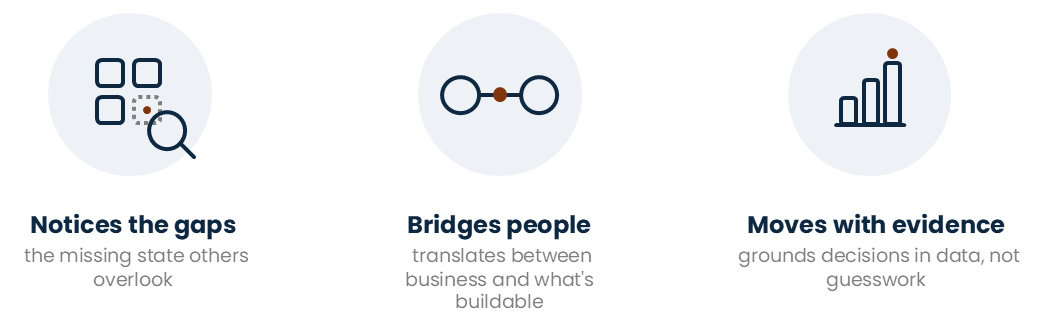
I notice the gaps other people miss. the edge cases, the states that get left out, the small missing piece that quietly breaks an experience.
I’m comfortable sitting between different people, clients, developers, managers, and translating between what the business needs and what’s actually buildable.
And I like to move with evidence rather than guesswork; if there’s a way to ground a decision in data or research, that’s the path I’ll take.
Research ethics & governance
Working with people’s data, especially in health, comes with real responsibility, and it’s something I take seriously.
I’m a member of a Health Research Authority (HRA) Research Ethics Committee (REC), reviewing NHS research on a regular basis. It’s given me hands on grounding in research ethics, informed consent, data confidentiality, and safeguarding participants, and it keeps me close to the standards that matter most when research involves real people.
Beyond design
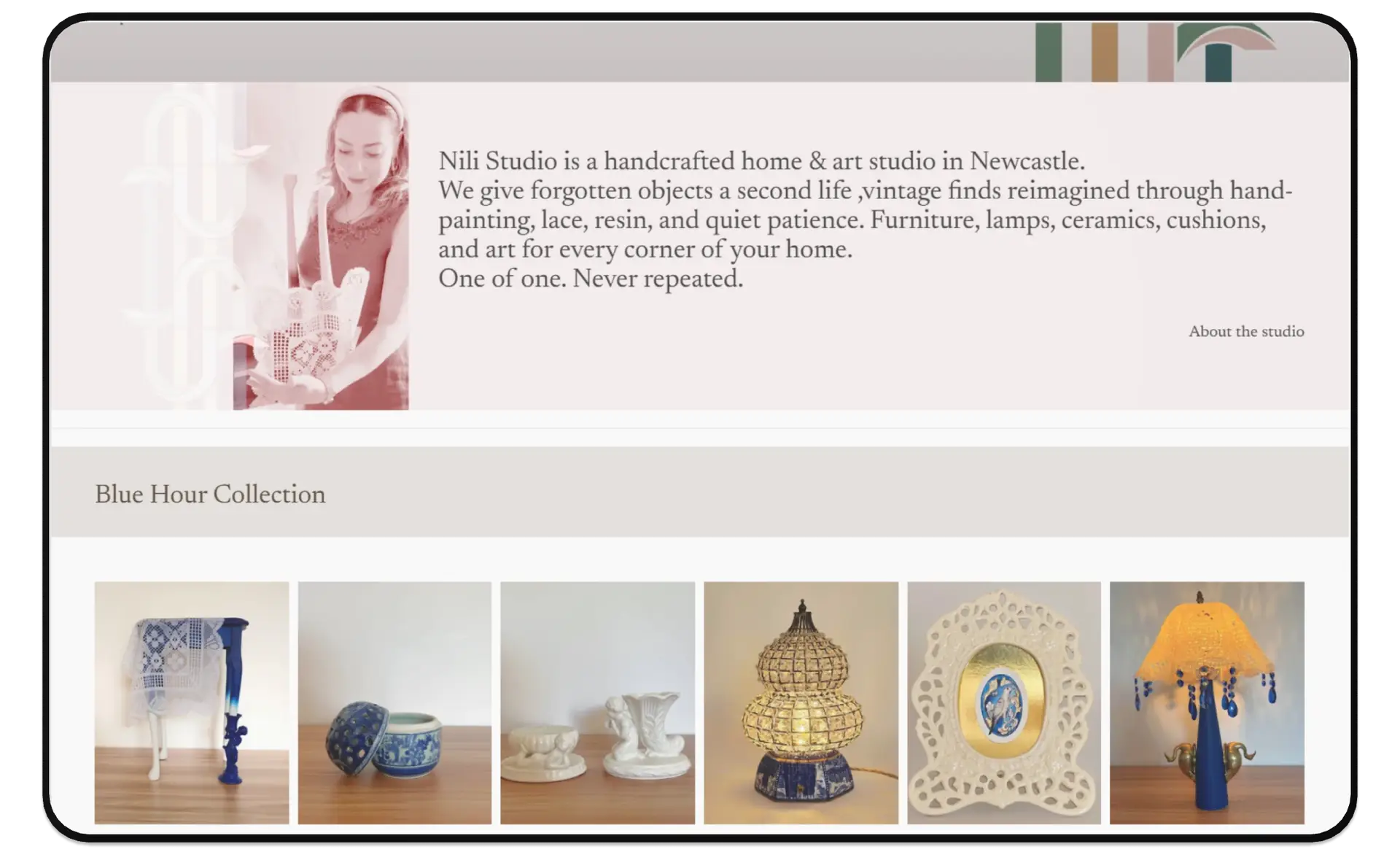
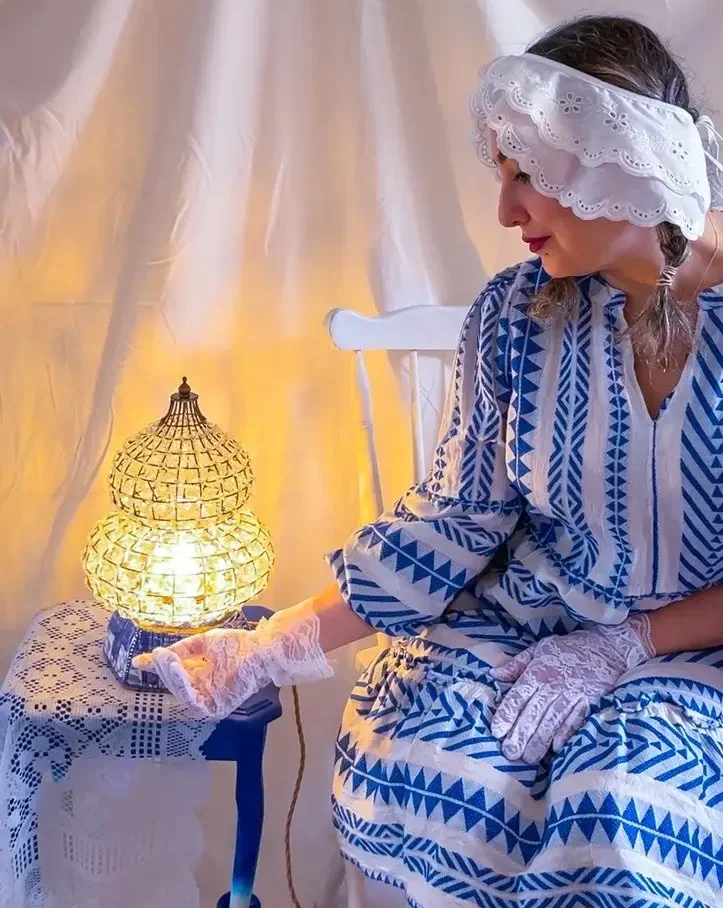
When I’m not designing digital products, I’m usually making something with my hands. That instinct grew into Nili Studio, a small handcrafted home & art studio where I give forgotten objects a second life: vintage finds reimagined through hand-painting, lace, resin, and a lot of quiet patience. Every piece is one of one, never repeated.
I run it end to end, the making, the brand, the photography, the shop. It’s not separate from how I think about design; it comes from the same place. Whether I’m shaping a physical object or a digital experience, the instinct is the same: make something new, and make it feel like something. That’s what makes me feel alive.